Bringing greenery into your home makes any space feel warm and alive. But if you have a dog, you worry about their safety. You want a beautiful home, but you do not want to put your pet at risk. Many common houseplants are toxic, and one bite can make your furry friend sick. This is why you need to know about pet-friendly indoor plants.
These plants are harmless, attractive and low maintenance. There's no need to sacrifice one for the other when it comes to building a green home and having a safe pet. You can have both. The proper plants can purify the air, brighten your dog's mood and protect them from danger.
Why Pet Owners Worry About Houseplants?
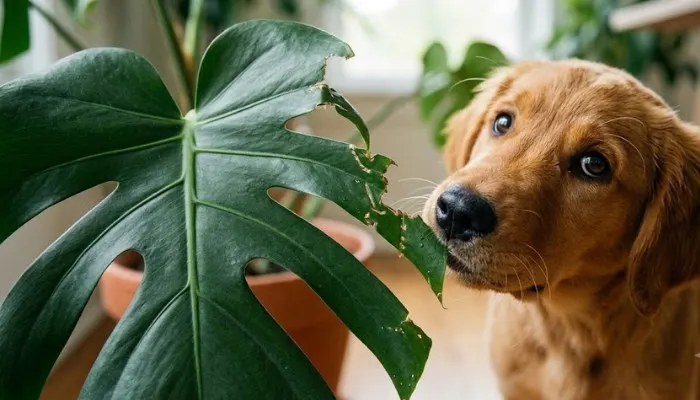
You love your pet. They are part of the family. You would never give them something bad to eat. But plants can be a hidden danger. Many common houseplants have toxins. These toxins are in the leaves. They are in the stems. They are even in the roots. If your dog takes a bite, they might get sick. They might throw up. They might have diarrhea. In bad cases, they could have seizures. Their liver could fail.
Every year, the ASPCA gets many calls about pets and plants. People are scared. They do not know what is safe. The worry is real. You need to know what you can buy without fear.
Read More: How to Comfort a Dog Scared of Fireworks
The Best Pet-Friendly Indoor Plants List
Here is a list of plants you can trust. These are safe for your furry friends. They have been checked by experts. The ASPCA says they are non-toxic. You can bring them home without worry.
1. Spider Plant
This plant is very popular. You see it in many homes. It has long, thin leaves. The leaves are green with white stripes. It is very easy to take care of. It can live in low light. It can live in bright light. It does not need much water.It is also safe for your dog. If your dog takes a bite, they will be okay. They might get a small tummy ache. But they will not get poisoned.
2. Boston Fern
This plant is very old. People have grown it for many years. It has many small leaves. The leaves are bright green. They are soft and feathery. It likes a cool spot. It likes a spot with lots of light. It also likes moisture. You should mist it with water. This plant is non-toxic. You can place it on a shelf. You can hang it in a basket. It will look beautiful. Your dog will be safe around it.
3. Areca Palm
This plant looks like a small palm tree. It has tall stems. It has many fronds. The fronds curve out. It adds a tropical feel. It likes bright, indirect light. It does not want direct sun. That can burn the leaves. It likes to be kept moist. Do not let it dry out. This is a safe choice. The ASPCA says it is non-toxic to dogs. It is a big plant. It will make a statement in your living room.
4. Peperomia
This is a small plant. There are many types. Some have thick, waxy leaves. Some have wrinkled leaves. They come in many colors. Some are green. Some are red. Some are variegated. They are very easy to care for. They like bright, indirect light. They do not need much water. They store water in their leaves. This means you can water them less. They are safe for your pets. You can put them on a desk. You can put them on a coffee table.
5. Parlor Palm
This is another type of palm. It is very old. People in the Victorian era loved it. It is a small palm. It grows slowly. It can live in low light. It can live in artificial light. This makes it great for dark corners. It is safe for dogs. It is also very pretty. It has dark green fronds. It looks elegant. It is a great choice if you do not have much sun.
6. African Violet
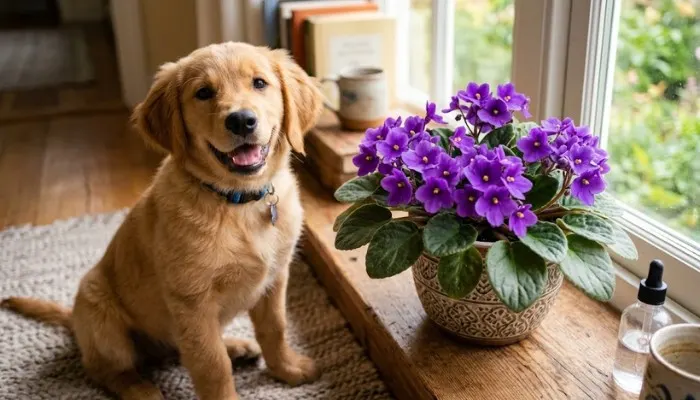
This is a flowering plant. It has small, fuzzy leaves. It has beautiful flowers. The flowers can be purple. They can be pink. They can be white. They are very popular. They like bright, indirect light. They do not like water on their leaves. The water can stain them. They like to be watered from the bottom. These plants are safe. Your dog can sniff them. They will not get sick.
7. Calathea
This plant is a showstopper. Its leaves are works of art. They have patterns on them. They have stripes and spots. The patterns are very precise. Some leaves are purple on the bottom. They move during the day. They fold up at night. It is very cool to watch. It likes indirect light. It needs high humidity. You might need to mist it every day. It is non-toxic to pets. It is safe.
8. Bromeliads
These are tropical plants. They have spiky leaves. They have a center that holds water. They bloom once. The bloom is bright and colorful. They can be red, pink, yellow, or orange. They are very striking. They like bright, indirect light. They like to be watered in their center cup. They are very easy. They are also safe for pets. They are a unique addition to any room.
9. Money Tree
This is a good luck plant. It is popular in offices. It is popular in homes. It has a braided trunk. It has palmate leaves. The leaves look like hands. It likes indirect light. It does not need much water. It is very forgiving. It is safe for your dog. You can have good luck and a safe home.
10. Cast Iron Plant
This plant lives up to its name. It is almost impossible to kill. It can survive low light. It can survive neglect. It can survive temperature changes. It is a tough plant. It has dark, glossy leaves. They grow upright. It is great for beginners. It is also safe for pets. You will not have to worry.
You May Also Read: The Complete Guide to Pet Safety Harness
Creating a Pet-Friendly Indoor Plants Living Room
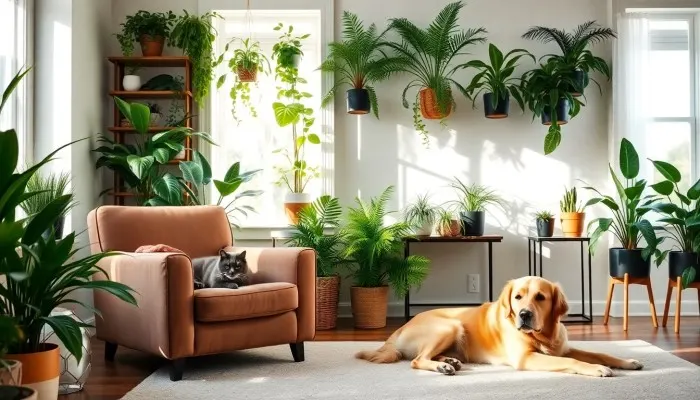
Your living room is the heart of your home. You spend time there. Your pets spend time there. You want to decorate it with plants. But you need to be smart. You need to make it safe for your dog.
Pick a Focal Point
A palm is a great choice. The Areca Palm or Parlor Palm can be the star of the room. Put it in a big pot. Place it in a corner. It will add height and drama. It is safe. Your dog can sit next to it.
Use Hanging Baskets
This is a smart trick. Put plants in hanging baskets. This gets them off the floor. It keeps them out of reach. Your dog cannot get to them. But it is harder for them. Boston ferns look great in hanging baskets. Spider plants look great too. They will trail down.
Shelves Are Your Friend
Put plants on high shelves. This is another way to keep them safe. Your dog cannot reach them. Use floating shelves. You can place your Peperomia or African Violet on them. It looks clean and modern. It keeps your plants safe.
Create a Plant Corner
Pick a safe area for your plants. Put them in one corner. This makes a nice display. It also keeps them out of the way. Your dog might not be interested if they are grouped together. Use different heights. Use different pots. Make it look fun.
Watch the Soil
Dogs like to dig. They might dig in the soil. This is not good for the plant. It is also messy. You can stop this. Put rocks on top of the soil. This stops them from digging. You can also put pine cones on top. This is a natural barrier. It keeps the soil safe. It keeps your dog safe.
Tips for Keeping Your Dog Away from Plants
You have safe plants. But you still want to protect them. Dogs are curious. They want to explore. They might want to chew on a leaf. They might want to dig in the dirt. You can teach them to stay away.
Use Positive Training
Teach your dog the "leave it" command. This is a great command. It keeps them safe. It keeps your things safe. When they look at the plant, say "leave it." If they look away, give them a treat. Do this over and over. They will learn. They will leave the plant alone.
Use Barriers
Sometimes you need a physical barrier. Use a small baby gate. This can block off a room. It can block off a corner. Your dog cannot get to the plants. This is simple. This is effective.
Give Them Their Own Things
Make sure your dog has their own toys. They should have chew toys. They should have bones. If they have fun things, they will not care about the plants. They will be busy with their own things.
Be Consistent
Everyone in the house must follow the rules. Do not let the dog near the plants. Do not let them sniff them. Be firm. Be consistent. The dog will learn what is allowed.
Conclusion
Your home is your safe space. It should be safe for your pets. It should be safe for your plants. You can have both. Do not be afraid to bring green into your home. There are many great choices. Pick the Spider Plant. Pick the Boston Fern. Pick the Areca Palm. You will have a beautiful home. You will have a happy, healthy dog. You will have peace of mind. Choose one plant from this list today. You will love how it makes your home feel.
FAQs
Q: Are succulents safe for dogs?
A: Many succulents are not safe. Some have toxins. The Jade Plant is a common succulent. It is not safe. It can make your dog sick. If you want a succulent, you need to be careful. Check the ASPCA list first. Some succulents are safe. Most are not. It is better to stick with the plants on this list.
Q: Are all plants in my home safe?
A: No. Many common plants are dangerous. The Sago Palm is very dangerous. It can kill a dog. The Philodendron is dangerous. The Pothos is dangerous. They are common houseplants. This is why you need to do your research. Make sure you know what you are buying.
Q: What should I do if my dog eats a plant?
A: You need to act fast. First, call your vet. Tell them what happened. They will tell you what to do. You can also call the ASPCA Animal Poison Control Center. They have a 24-hour hotline. They can give you advice. Keep the number in a place you can find it. It is better to be safe than sorry.
Q: What is the easiest pet-friendly plant to start with?
A: The Spider Plant is the best. It is very easy. It is safe. It is pretty. It can live in any light. You can water it less. It is a great plant for beginners.
Q: How often should I water my pet-friendly plants?
A: It depends on the plant. Some need more water. Some need less. The Areca Palm needs more water. The Cast Iron Plant needs less. You should check the soil. Stick your finger in the soil. If it is dry, it is time to water. If it is wet, wait a few days.
Q: Where is the best place to put my new plants?
A: It depends on the plant. Calatheas need indirect light. Bromeliads like bright light. Pick a spot in your house that matches the plant. You can see what light your room has. Then buy plants that fit that light.
Q: Do I need a special kind of pot?
A: Any pot is fine. Just make sure it has a hole in the bottom. This lets extra water escape. Without a hole, the roots can rot. Your plant will die. You can put a plastic pot inside a pretty pot. This looks nice and works well.