You can find the best canine fitness exercises for beginners that work great at home, even for pups who love napping all day long. Try puppy push ups they sit down, lie flat on the floor, then pop back up for treats and step stool strolls, where front paws go on a low step while you walk them in circles slow. Hide their meals in spots around the room so they sniff and trot over to eat each bite, which gets legs moving and sparks real joy with zero extra gear around.
Those little steps keep joints solid, melt off extra pounds, pull you closer together, and short goes at it do magic for newbies or couch hounds every time. Take it easy from the start and run it by the vet first so stays safe with tails going wild.
Why Start Fitness with Your Dog
Dogs need regular movement to stay healthy. It helps their joints, heart, and mood. Lazy pups gain weight fast, which leads to problems later. Simple exercises fix that step by step.
You build a bond too. Playtime turns into happy routines. Your dog learns to trust you more. Plus, it keeps them from chewing the couch out of boredom.
Fitness fights old age issues early. Strong muscles mean better balance. Falls hurt less when legs hold steady. Owners see happier walks and less vet trips.
Read More: Healthy Diet for Older Dogs: Simple Food Guide for Senior Dog Care
Puppy Push-Ups for Easy Strength
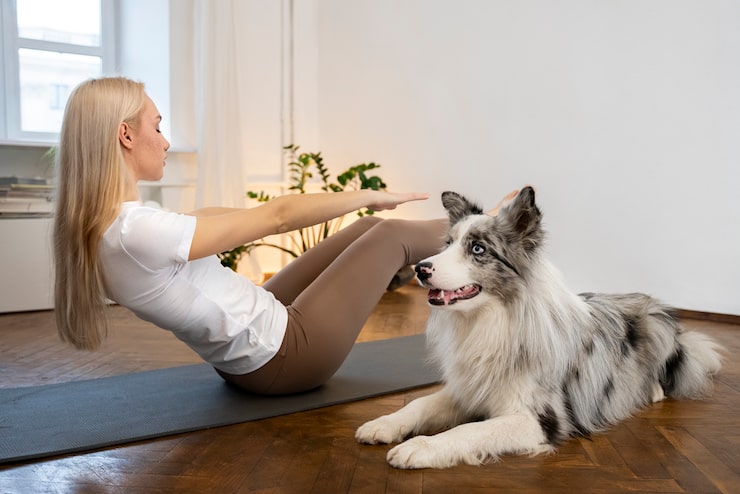
Start with puppy push-ups. They warm up the whole body without stress. Sit your dog down first. Then tell them to lie flat on the ground. Back to sit. Repeat five times slow.
Do this twice a day. Use treats to guide them down and up. Your dog learns control over front legs. It builds chest and arm power gently.
Over time, add a stand in between. Sit to stand to down to sit. This hits more muscles. Pups love the treats and praise. Keep sessions under two minutes so they stay excited.
Many dogs pick it up quick. Watch their tail wag as they get stronger. Tired legs shake less after a week. You notice firmer walks around the block.
Step Stool Stroll at Home
- Grab a low stool or thick book. Front paws go up on it, back paws stay down. Walk your dog around in a circle. Slow turns make them think about each step.
- This teaches rear awareness. Dogs trip less because they map their back feet better. Do ten steps one way, then switch. Treats keep them focused.
- No stool? Use stairs for one or two steps. Guide with a toy they chase. It works indoors on rainy days. Your lazy dog moves without knowing it.
- Build to figure eights. Weave around two stools. Hips loosen up fast. Owners say their pups jump higher after a few days. Joints feel smoother on carpet.
Stand and Shift for Balance
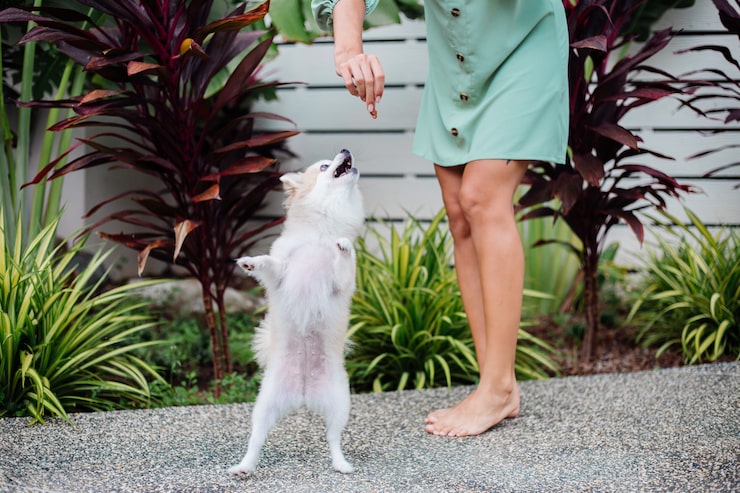
- Make your dog stand still. Gently push their hips side to side an inch. They shift weight back to center. Do five pushes each way.
- Press your hand on their belly if needed. It cues the core to tighten. Balance improves right away. Wobbly pups stand taller.
- Practice near a wall for safety. Short bursts work best. End with pets and play. Your dog associates it with good feelings.
- Lazy ones resist at first. Hide treats nearby to motivate. Soon they hold steady longer. Vet checks show better posture too.
Weight Shifts While Standing
- Stand your dog on flat ground. Rock them gently side to side. Paws adjust to stay upright. Hold five seconds each rock.
- Focus on all four paws. Front and back learn together. It prevents slips on wet grass later. Do ten rocks per session.
- Use your body to block falls. Voice praise loud when they catch themselves. Brains wire faster with fun sounds.
- Older dogs gain confidence here. They move surer on slick floors. You save on rugs when trips stop.
Hide Meals for Lazy Walks
- Split dinner into piles. Hide bits around the house. Under cushions or behind doors. Let your dog sniff them out.
- They walk more to find food. Nose work tires brain and legs. No begging at bowls anymore. Pups burn calories hunting.
- Add stairs for extra lift. Drop kibble up high. Lazy dogs climb without push. Games beat forced runs.
- Watch joy as they forage. Weight drops slow and steady. Coats shine from better habits. Family dinners stay calm.
Puzzle Toys That Move Them
- Fill toys with kibble. Roll them across the floor. Your dog chases and paws to get food out.
- They push hard for rewards. Legs stretch without walks. Ten minutes equals a block stroll. Clean floors too.
- Rotate toys weekly. Boredom kills play. New shapes spark chase again. Lazy pups turn hunters.
- Mornings work best before breakfast. Energy peaks high. You start days with active vibes.
Indoor Obstacle Paths
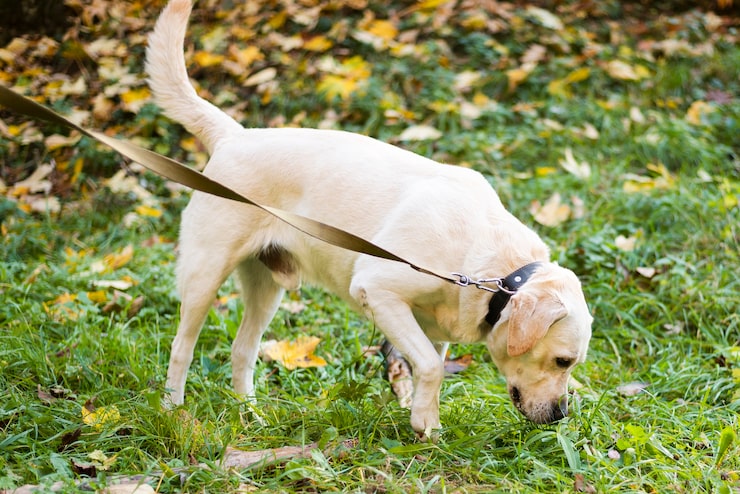
- Push chairs close for weave poles. Pillows make jumps. Blankets over tables turn tunnels.
- Lead with treats or balls. Slow laps build speed. Dogs duck and hop natural like.
- Start straight lines. Curve later for turns. Home gear costs nothing. Rainy afternoons fly by.
- Pups gain agility fast. Back legs power up climbs. You film progress for laughs.
Bow Stretches for Flexibility
- Lure front legs forward with treats. Butt up high like a stretch. Hold three seconds. Back legs follow easy.
- It loosens spine and hips. Morning bows wake muscles gentle. No pulls or strains.
- Praise deep bows. Add play bows with you. Mimic fun doubles bonds. Daily feels like greet time.
- Stiff dogs melt into it. Walks cover more ground pain-free. Vet bills shrink over months.
Side Steps for Hip Power
- Lift front paws onto a box edge. Side step slow. Back paws match front path.
- Hips open wide. Glutes wake without jumps. Ten steps each side hits even.
- Low box for beginners. Voice guides direction. Treats reward finish lines.
- Lazy dogs step lively here. Coats fluff from health glow. Stairs no longer scare.
Mealtime Nose Games
- Scatter kibble on rugs. Let sniff fill bowls. They crouch low hunting bits.
- Legs bend and stretch natural. Brain tires too for naps. No weight gain fights.
- Snuffle mats hold more. DIY boxes with paper hide extras. Pups destroy for fun.
- Evenings wind down perfect. Full bellies mean sound sleep. Mornings bring pep.
You May Also Read: Best Immune System Boosters for Dogs: Keep Your Pup Healthy Naturally
Flirt Pole Chases
- Tie string to stick. Dangle toy at end. Swing low for jumps.
- Dogs leap without doors open. Short bursts build burst power. Stop before puff.
- Grass or carpet works. Voice stops overdo. Toys vary keeps fresh.
- Couch kings turn athletes. Neighbors peek at yard plays.
Progression and Safety Tips
- Week one sticks to basics. Add one new move weekly. Track energy in a note.
- Water breaks every five minutes. Hot days mean indoors only. Paws check for cracks.
- Vet weighs first. Heart clears go. Puppies grow slower pace.
- Signs to pause: heavy pant, limp, whine. Rub legs gentle after. Love keeps them coming back.
- Watch breed traits. Short noses tire quick. Long legs love strides.
- Mix moves daily. Body adapts strong. Fun lasts lifetimes.
Wrapping It Up
Pick up these best canine fitness exercises for beginners right now and see your dog perk right up. Quick home tries flip lazy naps into solid, glad routines. You gain close ties and less stress too. Stay playful, keep at it, get vet okay—wags grow big when good shape lasts.
Frequently Asked Questions
What makes the best canine fitness exercises for beginners this easy at home?
Everyday items like steps or playthings do the job. Skip the park, just lead pup sits and walks for true steps forward.
How much for best canine fitness exercises for beginners on a lazy dog?
Go 5-10 minutes two times daily. Grow it bit by bit till they beg without crash.
Will best canine fitness exercises for beginners harm my older dog?
Nope, if you spot hard breaths or hops off. Gentle meal hunts guard joints and bring smiles.
Treats a must for best canine fitness exercises for beginners?
Sure, tiny ones steer best. Drop em if belly grumps, clap words work fine.
Changes show when from best canine fitness exercises for beginners?
Pups hold heads high in seven days. Bounce hits next week with daily fun.