Your dog cannot tell you when their stomach hurts. They cannot point to their belly and say something feels off. But they show you in other ways. You just need to know what to look for. The symptoms of poor gut health in dogs are often right in front of you. A dull coat. Bad breath. Loose stools. Even sudden changes in behavior. These are all signs that something is wrong inside.
The gut is the foundation of your dog's health. When it is off, everything is off. I have seen it happen more times than I can count. And I have fixed it too. This article will show you the signs to watch for, what causes them, and how to treat poor gut health in dogs naturally. No complicated advice. Just real experience that works.
What Actually Causes Poor Gut Health in Dogs?
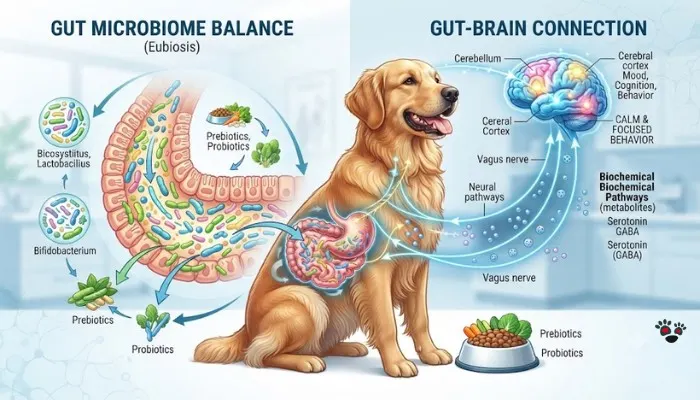
First, let's talk about why this happens. The gut is full of bacteria. Good bacteria help with digestion and the immune system . Bad bacteria cause inflammation and problems . It is called the gut microbiome .
When the good bacteria drop and the bad bacteria rise, you get dysbiosis . This imbalance can cause leaky gut. The intestinal wall gets weak. Things that should stay in the gut leak into the body . This leads to inflammation and bigger health issues.
A big cause? Diet. A study showed that a high-fat, low-fiber diet (like a Western diet) caused gut problems in dogs . Even healthy dogs got inflammation and bacterial changes. So food matters more than many people think.
Other causes include:
- Antibiotics. They kill off good bacteria too .
- Food allergies. Chronic exposure can damage the gut over time .
- Stress. This affects the gut-brain connection .
- Chronic medications. Long-term use of pain meds can harm the intestinal lining .
Read More: Best Canine Fitness Exercises for Beginners
10 Symptoms of Poor Gut Health in Dogs You Should Never Ignore
Here is what to look for. Some signs are obvious. Others are surprising.
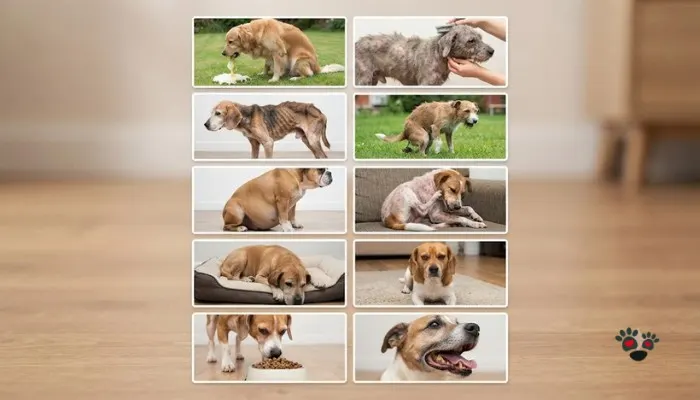
1. Digestive Upsets That Just Won't Quit
This is the most common sign. Look for:
- Diarrhea or loose stools. This is often the first red flag .
- Constipation. Trouble going is also a sign .
- Excessive gas. If your dog is clearing the room, something is wrong .
- Vomiting. Occasional vomiting can happen. Frequent vomiting is a problem .
When the gut is off, digestion fails. Nutrients are not absorbed. That leads to other symptoms .
2. A Dull, Scruffy Coat
The fur tells a story. A healthy gut means a shiny coat. An unhealthy gut means a dull, dry coat . Skin issues like itching, redness, and flaky patches are also linked to gut inflammation . The body's inflammation shows up on the skin.
3. Stinky Breath That Returns
You might think it's just bad teeth. And sometimes it is. But bad breath can also come from an imbalanced gut microbiome . The bacteria in the gut affect the whole system.
4. Sudden Weight Changes
Is your dog losing weight but eating normally? They might not be absorbing nutrients. Are they gaining weight without eating more? That can also happen with gut issues . Both are signs to watch.
5. Lethargy and Low Energy
If your dog seems tired all the time, check their gut. Poor nutrient absorption means less energy . They might seem sluggish or uninterested in walks .
6. Changes in Behavior or Mood
Did you know the gut affects the brain? It is called the gut-brain axis. An unhappy gut can lead to anxiety, aggression, or depression . A dog with gut problems might seem stressed or act out.
7. Eating Weird Things
Does your dog eat poop? Eat grass obsessively? Or try to eat mud? These "cravings" can point to an unbalanced gut . The body might be looking for missing nutrients.
8. Loss of Appetite
A dog that turns up their nose at food is a dog with a problem. Digestive discomfort often kills the appetite . Sudden pickiness can also be a sign.
9. Joint or Mobility Issues
Inflammation from the gut can spread to the joints. If your dog seems stiff or sore, the root cause could be in their stomach . This is more common in older dogs.
10. Weakened Immune System
The gut is the immune system. About 70% of it lives there. When the gut is off, the immune system is weak . Your dog might get sick more often or have trouble fighting off infections.
Natural Remedies for Dog Gut Health That Actually Work
You can fix this. And you can do it naturally. Start with these steps.
Change the Diet
This is the most powerful tool. Switch to high-quality, fresh food. Avoid highly processed food with fillers .
One real story: a Dachshund mix named Loki had digestive issues since he was a puppy. Vets tried different diets and medications. Nothing worked. Then his owner switched to fresh food with specific healing ingredients. Within days, the vomiting and diarrhea stopped . It was that simple.
Add Healing Foods
Certain foods work like medicine for the gut .
- Pumpkin. Great for both diarrhea and constipation. It is packed with fiber and vitamins .
- Turmeric. Reduces inflammation in the gut, joints, and skin .
- Flaxseeds. Full of fiber and Omega-3s. They promote healthy digestion .
- Sweet potatoes. A great source of dietary fiber. Cook them and serve as a soft treat .
Try Probiotics and Prebiotics
Probiotics put good bacteria directly into the gut. They help restore balance . Prebiotics are the food that good bacteria need to grow. Look for a high-quality supplement made for dogs .
Consider Ashwagandha
One study found that Ashwagandha root extract improved gut health in senior dogs. It improved their blood work and reduced inflammation . This is an option to discuss with your vet.
You May Read Also: Healthy Diet for Older Dogs: Simple Food Guide for Senior Dog Care
Know When to See the Vet
Natural remedies work for many dogs. But sometimes you need a professional. If your dog has severe symptoms, go to the vet.
- Continuous vomiting or diarrhea.
- Blood in the stool or vomit.
- Signs of severe pain (hunched back, whining).
The vet can run stool tests. In extreme cases, they might suggest a fecal transplant. This is where healthy bacteria are introduced from a donor dog . It sounds gross. But it works.
One Final Piece of Honest Advice
Your dog's gut health is the foundation of their overall health. Do not ignore the signs. That scruffy coat is not just about grooming. That bad breath is not just about teeth. That odd behavior is not just a phase.
Pay attention. Change the food. Add healing ingredients. And see the vet when you need to.
The best thing I ever did for my own dog was switch to fresh, whole foods. The change was night and day. More energy. Better coat. No more tummy troubles. Your dog is telling you something. Listen.
FAQs
1. My dog has runny poop all the time. Is that a gut issue?
Yes. Runny poop that does not go away is the biggest red flag. If it happens once, do not worry. Dogs eat weird stuff. But if it keeps happening for more than two days, something is off in their stomach. The gut is not breaking down food right.
2. Can changing my dog's food really fix gut problems?
It can. I have seen it happen with my own dogs. One switch to fresh food cleared up months of tummy troubles in three days. But you have to do it slowly. Mix the new food with the old food over a week. A sudden switch can make things worse.
3. My dog eats grass every single day. Should I stop them?
Dogs eat grass for different reasons. Sometimes they are bored. Sometimes their stomach hurts and they are trying to throw up. If your dog eats grass and then pukes, their gut is probably irritated. If they eat grass and seem fine, they might just like it. But watch for other signs.
4. How do I pick a good probiotic for my dog?
Look for one made just for dogs. Human probiotics have different strains. Check the label for live bacteria. And start small. Give half the recommended dose for a few days. Some dogs get gassy at first. That usually goes away.
5. When should I just take my dog to the vet instead of trying home fixes?
Take them in if you see blood. Blood in the poop or vomit is serious. Also take them if they seem weak or in pain. A hunched back or crying when you touch their belly means something is wrong. Home fixes are for mild issues. Severe stuff needs a doctor.